About Me
Mingyu Bian studies Intelligent Science and Technology at Xinjiang University's School of Future Technology. He is a Zero One Scholar in the joint program of Tsinghua University's Qian Xuesen Program and Shenzhen X-Institute. His research focuses on AI for Science, developing computational methods to understand complex living systems and support scientific inference.
As an undergraduate, Bian focuses on applying what he learns in class to practical problems. He sees academic breaks as opportunities to learn and gain experience in new settings. He plans to attend summer schools at leading Chinese universities, intern at leading Chinese companies, conduct summer research at universities abroad, and volunteer in China and overseas. Through these experiences, he hopes to deepen his understanding of society, broaden his international perspective, and strengthen his ability to learn and think independently.
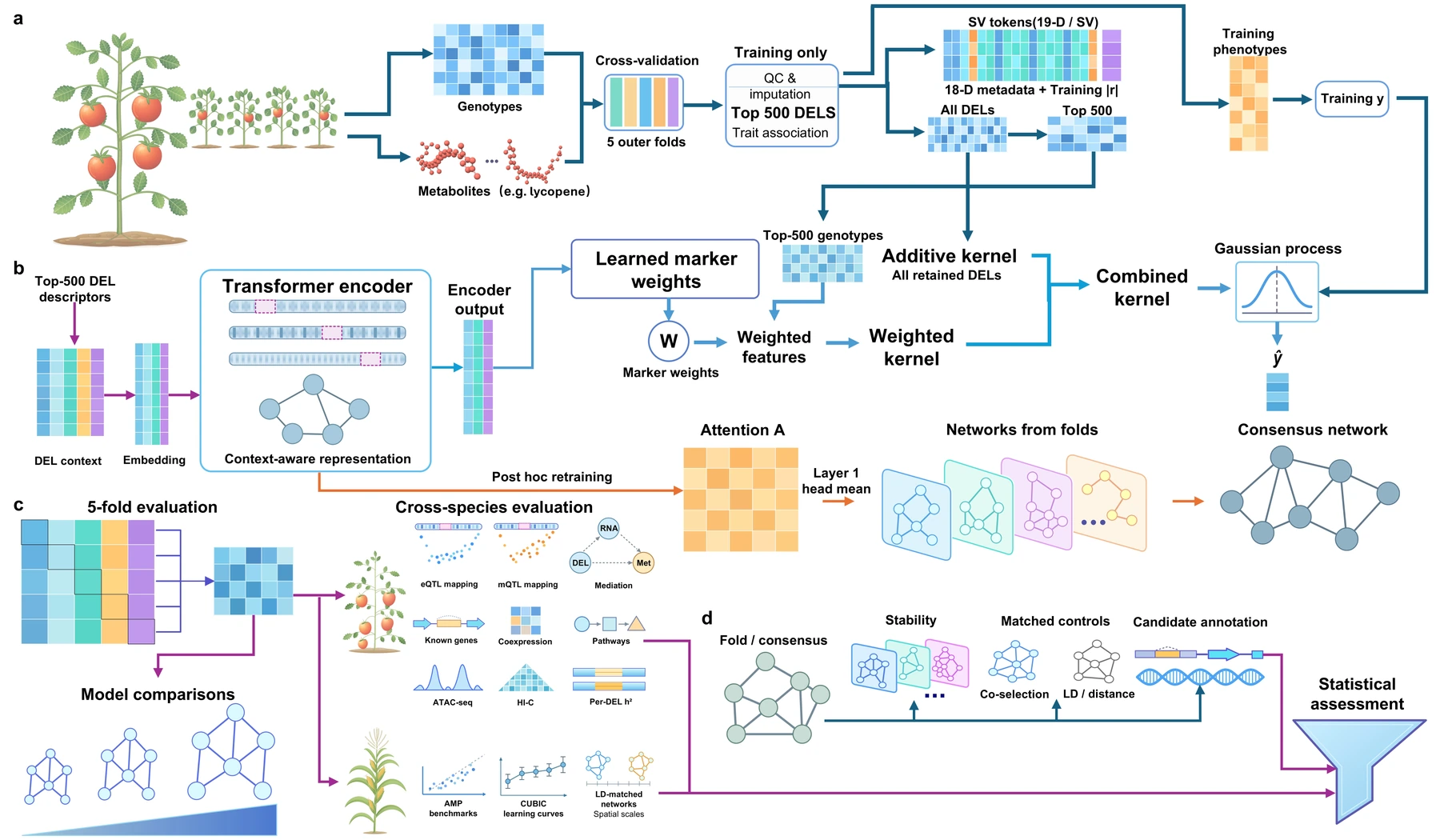
Bian's research has grown from processing experimental data to investigating how living systems work. In a neutron spectrometer project, he built a prototype for collecting and analyzing imaging data as the detector produced them. In his research on tomato fruit, he combined data on structural variation and gene regulation to find genomic clues to differences in metabolite levels and prioritize regulatory regions for follow-up. These projects shaped his interest in using computational models to connect observations across scales and formulate testable biological hypotheses.
Direction 1 · Bioinformatics
He studies how sequence, structure, and regulatory data can reveal biological function, with a focus on RNA language models. Building on his group's RESM model, he explores how to extend it to integrate different types of RNA data and uses contrastive learning to refine its representations. His aim is to improve predictions of which bases pair and which functional class an RNA sequence belongs to. He also combines genomic variation and regulatory information to predict complex traits and uses biophysical models to study how protein backbones bend and twist.
Direction 2 · Artificial Intelligence
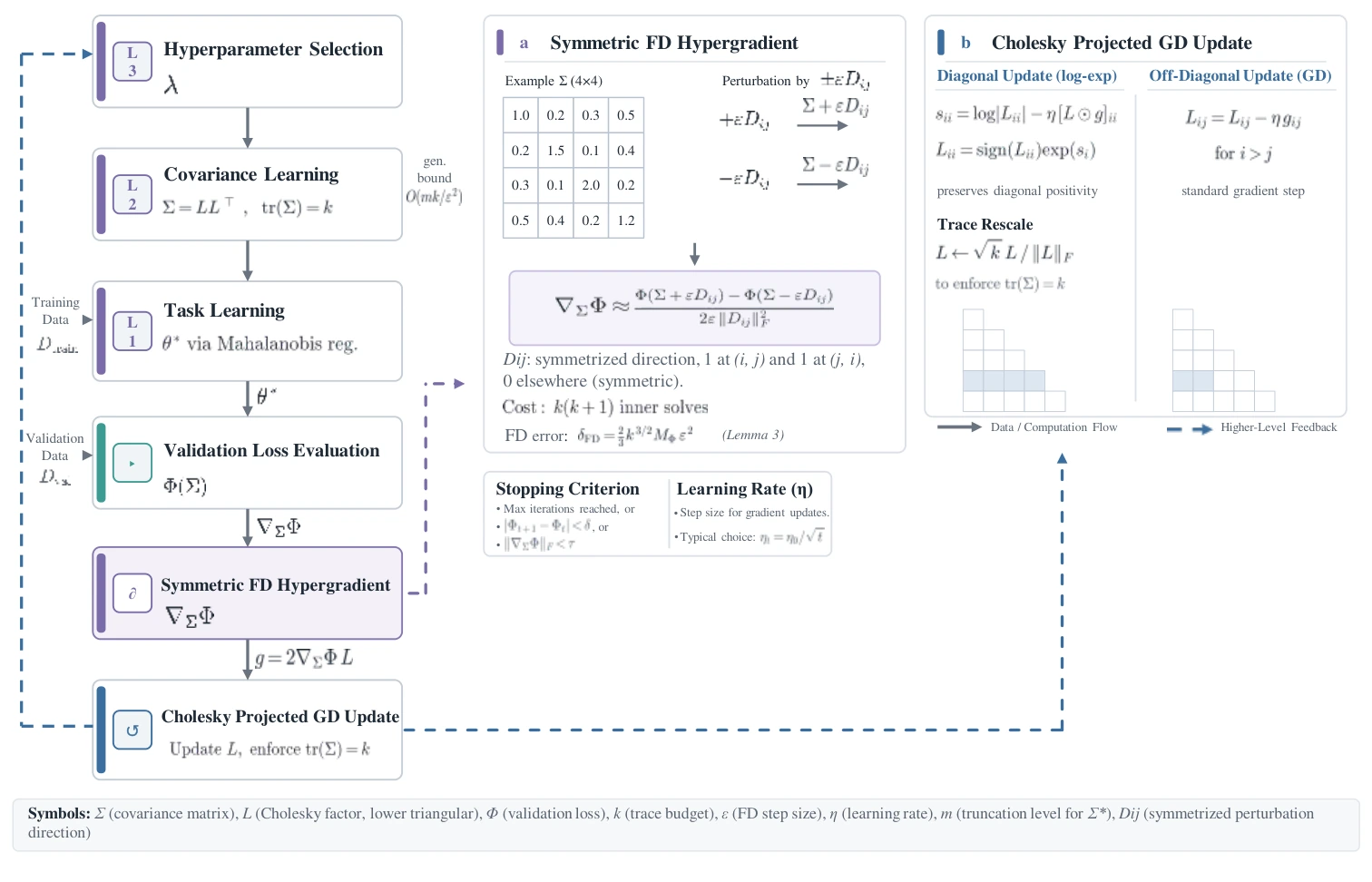
He studies how machine learning can use relationships among prediction targets. When the same inputs are used to predict multiple outcomes, he uses covariance to describe how those outcomes vary together and lets the prediction tasks share information during training. He tests whether sharing information reduces prediction error on unseen samples.
Direction 3 · Interdisciplinary Research
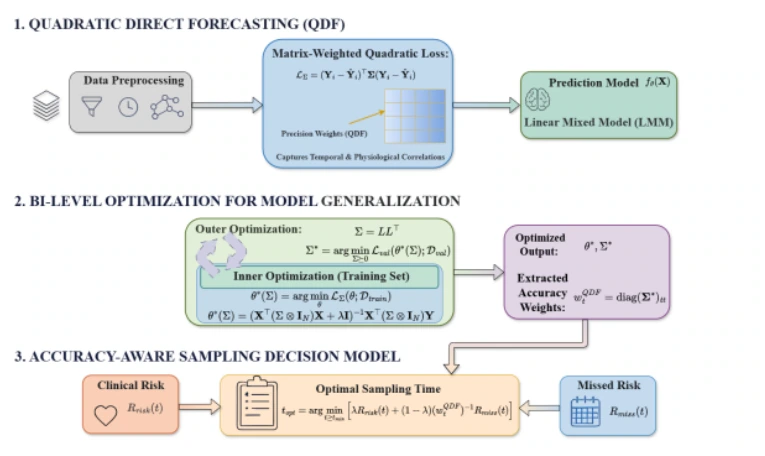
He studies how model predictions can inform when to schedule a test. In screening and monitoring with multiple data sources, he uses repeated measurements to estimate how an indicator changes over time, then considers prediction and measurement uncertainty at candidate times to weigh the reliability of testing earlier against the risks of waiting. He also evaluates models trained on synthetic data using real observations to see whether the predictions can support decisions when the data source changes.
Bian is a co-first author of QDF-NIPT, published online by Springer as an ICIC 2026 paper. CoDA-Pipe and the multi-source monitoring study were accepted at CITSC 2026 and ABCM 2026, respectively. The protein backbone torsion study is an arXiv preprint. SVDKL (co-first author) and TRIDENT (sole first author) are under review at Horticulture Research. The covariance learning and synthetic data transfer papers have been submitted to AAAI 2027. His long-term goal is to develop computational methods that connect observations across scales with predictions and mechanistic explanations, providing testable evidence for understanding living systems and addressing practical problems.